
What Are Restorative Dental Solutions & Who Are They For?
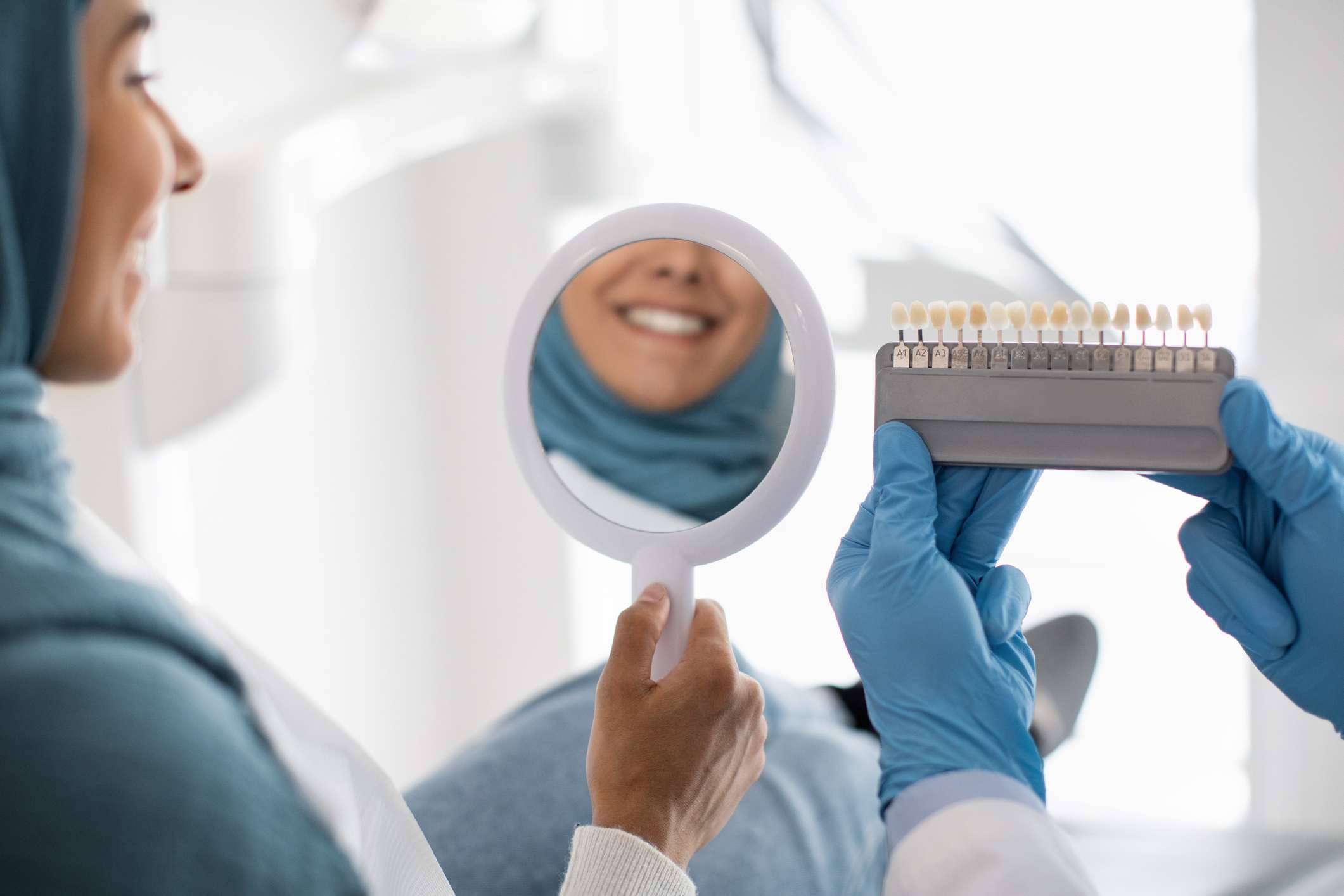
Dental problems can develop gradually or appear suddenly, and they often affect more than just appearance. Difficulty chewing, ongoing discomfort, or damaged teeth can interfere with daily life and overall health. Many patients come to our office unsure whether their dental concerns require restorative care or something else entirely. Signature Smiles Dentistry works with patients of all ages who need reliable ways to repair, protect, and maintain their teeth. Restorative dentistry in Parker, CO, focuses on bringing teeth back to proper function while supporting comfort and long-term oral health.
Restorative dental solutions are designed for anyone dealing with tooth damage, decay, or tooth loss that affects how the mouth works. Understanding what restorative dentistry involves, how it differs from cosmetic dentistry, and when it may be necessary can help patients make informed decisions about their care.
What Is Restorative Dental Care?
Restorative dental care focuses on diagnosing, repairing, and managing issues that compromise the structure or function of teeth. This branch of dentistry addresses problems such as cavities, cracked teeth, worn enamel, missing teeth, and damage caused by injury or decay. The goal is to restore strength, stability, and usability while maintaining a natural appearance.
Restorative treatments often involve materials and techniques that mimic natural tooth structure. For example, composite restorative material is commonly used to repair cavities or minor damage because it bonds directly to the tooth and blends in with the surrounding enamel. Other restorative procedures may involve crowns, bridges, implants, or dentures.
Unlike preventive care, which aims to stop problems before they start, restorative dentistry addresses existing damage. In many cases, restorative care also helps prevent future complications by stabilizing teeth and supporting proper bite alignment.
Why You Might Need Restorative Dentistry
Patients may need restorative care for a variety of reasons. Tooth decay remains one of the most common causes, but trauma, grinding, aging restorations, and gum disease can also play a role. Restorative dentistry is often recommended when these problems start to affect comfort, function, or oral health, and addressing these concerns early can reduce the risk of more extensive treatment later. Some common reasons restorative dental solutions may be necessary include the following:
- Persistent tooth pain or sensitivity
- Broken, cracked, or severely worn teeth
- Large cavities or failing fillings
- Missing teeth affecting chewing or speech
How Is Restorative Dentistry Different From Cosmetic Dentistry?
Restorative and cosmetic dentistry often overlap, but they serve different primary purposes. Restorative dentistry is centered on function, health, and structural integrity. Cosmetic dentistry focuses on improving appearance, though it can also support function in some cases. For example, a crown placed to protect a weakened tooth is considered restorative, even though it also improves appearance. Veneers placed purely to enhance symmetry or color are typically cosmetic. The key distinction lies in why the treatment is necessary.
Restorative dentistry is usually recommended when a dental issue interferes with chewing, speaking, or overall oral health. Cosmetic dentistry is elective and chosen to enhance aesthetics rather than correct functional problems. However, many modern restorative treatments are designed to look natural, making the visual difference between the two less obvious than it once was.
Types of Restorative Dental Treatments
Restorative dentistry includes a wide range of procedures, each suited to different dental needs. The type of treatment depends on the severity of damage, the location of the affected tooth, and the patient’s overall oral health. The goal is always to preserve as much natural tooth structure as possible while restoring strength and usability. Treatments may include the following:
- Fillings are among the most common restorative treatments. They are used to repair cavities and minor damage, often with composite restorative material that blends with natural enamel.
- Crowns are used when a tooth is too damaged for a filling alone, providing full coverage and protection.
- Bridges replace one or more missing teeth by anchoring to adjacent teeth.
- Implants replace the tooth root and crown, offering a stable and long-lasting solution.
- Dentures may be recommended when multiple teeth are missing.
Why Does the Designation of Restorative Dentistry Matter?
The classification of a procedure as restorative can affect treatment planning, insurance coverage, and long-term outcomes. Restorative dental solutions are often considered medically necessary because they address functional problems rather than purely aesthetic concerns.
This designation may influence restorative dental coverage through insurance plans. Many plans provide benefits for restorative procedures that repair damage or prevent further deterioration. Understanding whether a treatment is restorative or cosmetic can help patients anticipate coverage and costs more accurately.
Beyond insurance, the designation matters because it reflects the intent of care. Restorative dentistry prioritizes oral health, comfort, and function. It aims to stabilize the mouth, reduce pain, and allow patients to eat and speak normally. These outcomes have a direct impact on quality of life.
Tips for When You Need Restorative Dental Services
Facing restorative dental treatment can feel overwhelming, especially if multiple procedures are involved. Before beginning restorative care, it helps to ask questions, understand your options, and consider timing. Here are a few helpful tips when restorative dental services are recommended:
- Address issues early to avoid more complex treatment later.
- Ask about material options, including durability and appearance.
- Review insurance benefits and restorative dental coverage in advance.
- Follow aftercare instructions closely to protect restorations.
Why Choose Signature Smiles Dentistry for Your Dental Needs
Restorative dentistry plays an essential role in maintaining a healthy, functional smile. Whether you are dealing with decay, damage, or missing teeth, timely care can make a meaningful difference in comfort and long-term oral health. Signature Smiles Dentistry focuses on careful diagnosis, clear communication, and treatment options that support lasting results.
We understand that every patient’s situation is different. Some may need a simple filling, while others require more comprehensive restorative dental solutions. Our approach is to recommend care based on function, stability, and overall well-being, not short-term fixes.
Schedule a Restorative Dentistry Consultation
If you are experiencing dental discomfort or have been told you need restorative care, contact Signature Smiles Dentistry in Parker, CO. Our team will review your treatment options and help you understand what restorative dentistry can do for your smile. Reach out to our office to schedule a consultation and learn how restorative dental care can support your oral health now and in the future.