
Can Enamel Be Restored?
Your teeth and smile help you chew, speak, and greet the world with confidence. But the hardworking outer layer of your teeth, called enamel, can wear down over time. If you’ve noticed your teeth look a little different, you may wonder whether their enamel can be restored. It’s one of the most common questions we hear at Signature Smiles Dentistry. The good news is that there are ways to protect and even strengthen your enamel. What makes things tricky is that once enamel is truly gone, it can’t grow back on its own. If you’re dealing with early enamel wear or a more advanced concern, our oral healthcare specialists can help you find the right path forward.
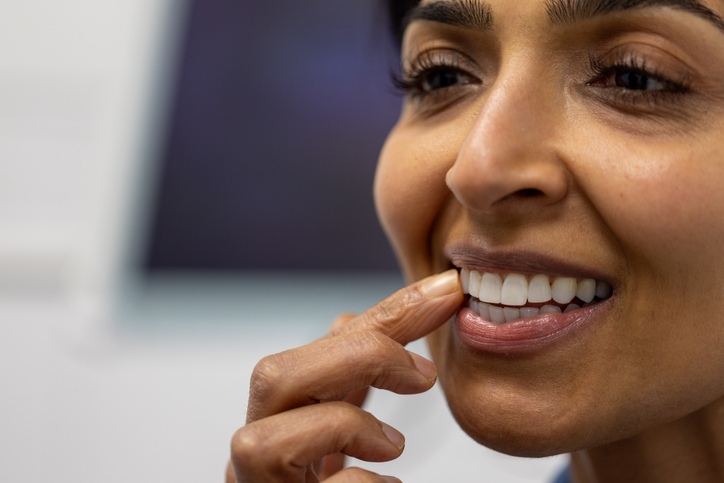
What Is Tooth Enamel?
Enamel is the hard, outer shell covering each tooth. It’s the hardest substance in the human body, even tougher than bone. Enamel protects the sensitive layers underneath from heat, cold, and the daily wear of chewing. But unlike skin and bone, enamel doesn’t contain living cells. As a result, your body can’t repair or regrow it once it’s damaged. That’s why taking care of your enamel now matters so much for your long-term health.
Understanding the Possibilities of Tooth Enamel Restoration
So, can you rebuild tooth enamel once it’s gone? Not exactly. But that doesn’t mean you’re out of options.
How Remineralization Works
Remineralization is the process of adding minerals to weakened enamel. Your saliva naturally does this a little every day, using minerals like calcium and phosphate. Fluoride treatments, whether from toothpaste, mouth rinses, or dental treatments, help speed up this process. Enamel remineralization can:
- Strengthen Weak Spots – Fluoride helps rebuild areas where minerals have been lost, making enamel more resistant to decay.
- Reduce Sensitivity – Restoring minerals can calm the nerve signals that cause tooth sensitivity to hot or cold foods and drinks.
- Slow Down Early Damage – Catching enamel wear early gives remineralization the best chance to help.
Nutrition and Habits That Protect Tooth Enamel
What you eat and drink plays a huge role in enamel health. Here are a few habits that will help protect your enamel against wear:
- Drink Plenty of Water – Water helps rinse away food particles and acids, and it keeps your mouth’s pH balanced.
- Choose Calcium-Rich Foods – Foods like cheese, yogurt, and leafy greens give your teeth the minerals they need to stay strong.
- Limit Acidic and Sugary Foods – Cutting back on soda, candy, and citrus can reduce the daily wear and tear on your enamel.
- Avoid Brushing Right After Eating Acidic Foods – Wait roughly 30 minutes to let your enamel firm back up before brushing.
When Dental Problems Require Expert Care
Sometimes, enamel damage is too advanced for at-home care alone. You should see a dentist if you notice sharp sensitivity or visible pits and grooves. Moreover, teeth that are becoming transparent, especially near the edges, are often signs of significant enamel loss. Our dental specialists at Signature Smiles Dentistry can evaluate the extent of the damage and recommend treatments to protect your teeth from further harm. But waiting too long can lead to increased sensitivity, a higher risk of cavities, and more costly treatment down the road.
Cosmetic Solutions for Enamel Loss
While enamel can’t be regrown, cosmetic dentistry offers several ways to restore the look and function of your teeth:
- Dental Bonding – We can apply a tooth-colored resin to damaged areas, restoring shape and protecting the tooth underneath.
- Veneers – Thin shells cover the front of your teeth, hiding wear and improving appearance.
- Crowns – For more significant damage, a crown covers the entire tooth, providing strength and protection.
Emergency Situations and Enamel Damage
Enamel can be damaged suddenly, such as by a chipped or cracked tooth. If this happens, don’t wait. Exposed inner layers of your tooth are vulnerable to infection and pain. Call your dentist if you experience:
- Sudden Sensitivity to Hot and Cold – This can mean that the enamel has been compromised and the inner tooth is exposed.
- Visible Cracks or Chips – These need prompt attention to prevent further damage.
- Sharp or Persistent Pain – Pain often signals that an issue has reached the nerve.
Essential Daily Habits for Enamel Protection
Since enamel can’t grow back, prevention is the best treatment. A few simple daily habits go a long way:
- Brush Twice Daily With Fluoride Toothpaste – This helps strengthen enamel and prevent decay.
- Floss Every Day – Removing the plaque between your teeth protects enamel in hard-to-reach spots.
- Use a Soft-Bristled Toothbrush – Hard bristles can wear down enamel over time.
- Wear a Mouthguard If You Grind Your Teeth – Grinding puts extra stress on enamel and can cause significant wear.
FAQ About Tooth Enamel
Do Whitening Strips Destroy Enamel?
Whitening strips are generally safe when used as directed. Overuse, however, can increase sensitivity and may weaken enamel over time.
Does Bleaching Teeth Damage Enamel?
Professional bleaching treatments are designed to be safe for enamel. Still, excessive or improper use of bleaching products can cause sensitivity and enamel wear. A dentist can help you choose a safe, effective whitening option.
Can You Replace Tooth Enamel?
No, enamel cannot be replaced once it’s gone. Treatments like bonding, veneers, and crowns can restore your appearance and protect the tooth, but they don’t regenerate natural enamel.
Why Do My Teeth Look Transparent at the Edges?
This is often a sign of enamel erosion. As enamel thins, the edges of your teeth can appear see-through. If you notice this, it’s a good idea to schedule a dental checkup.
Contact Signature Smiles Dentistry for Enamel Care Today
Enamel protection starts with good daily habits. If you’re worried about enamel wear or want to learn more about protecting your smile, Signature Smiles Dentistry is the team to call. Contact us in Parker, CO, to schedule an appointment today.