
Hidden Sugars That Damage Your Teeth Every Day
The Secret Sugars Behind Everyday Tooth Damage
At Signature Smiles Dentistry, we talk with patients about hidden sugars and teeth damage more often than you might expect, usually after someone tells us they eat pretty healthy and still ended up with a cavity. Sugar hides in places most people never think to check, and the worst foods for your teeth aren’t always the ones you’d guess. A cracker, a jar of pickles, or a flavored coffee can do just as much damage as a piece of candy, sometimes more, depending on how often you eat it and how long it sits on your teeth. Understanding where sugar hides and how it causes damage is the first step toward protecting your enamel.
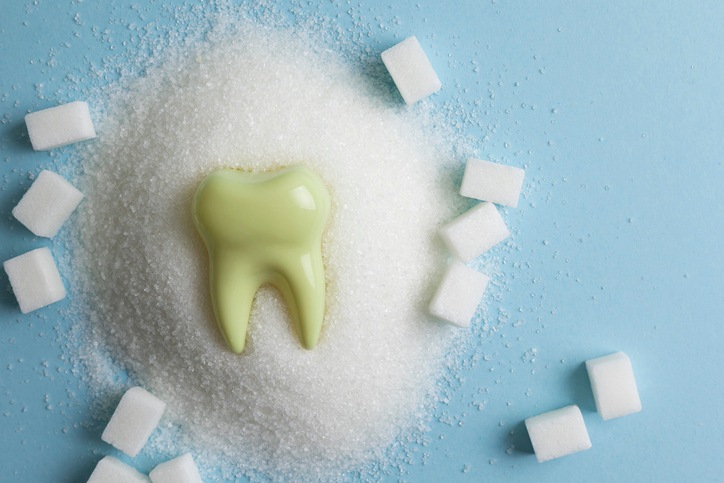
The Foods That Cause Dental Caries
Soda, candy, and desserts are the obvious offenders that cause dental cavities, or caries, and they earn their spot on any “worst foods for your teeth” list. But plenty of foods that seem harmless are just as capable of causing decay. Crackers, white bread, chips, and granola bars break down into simple sugars almost as soon as they hit your saliva, and because they’re starchy, they tend to stick in the grooves of your molars far longer than a piece of chocolate.
Dried fruit is another sneaky one. It’s marketed as a healthy snack, but the sugar is concentrated and the texture is sticky, so it clings to enamel in a way fresh fruit doesn’t. Add flavored yogurt, granola, and sports drinks to that list, and you start to see how many “healthy” choices are quietly contributing to foods that cause dental caries.
How Sugar Causes Cavities
To understand how sugar causes cavities, it helps to know what’s happening in your mouth at a microscopic level. Your mouth is full of bacteria, and most of them are harmless. But some feed directly on sugar and starch left behind after you eat, and as they digest it, they release acid as a byproduct. That acid is what attacks your enamel, not the sugar itself.
This is why sugar and tooth decay are so closely linked, but it’s also why frequency matters more than quantity. Eating a dessert after dinner exposes your teeth to one acid attack. Sipping a sugary drink over two hours exposes your teeth to a continuous one, because every sip resets the clock. Each time sugar sits on your teeth, the pH in your mouth drops, and it can take 20 to 30 minutes for saliva to neutralize it and start repairing the sugar effects on teeth enamel. If you’re snacking constantly throughout the day, your mouth never gets that recovery window.
Foods That Fly Under the Radar
Some of the biggest contributors to hidden sugars and teeth damage aren’t dessert foods at all. Pasta sauce, ketchup, salad dressing, and flavored coffee creamers all carry added sugar that most people never account for. Granola bars marketed as “natural” or “whole grain” often contain as much sugar per serving as a cookie. Even sparkling water with fruit flavoring can contain hidden acids and sugars that erode enamel over time. These foods don’t taste overtly sweet, so people eat them without a second thought, often multiple times a day. That repetition is what turns an occasional treat into a long-term enamel problem.
Are Pickles Bad for Your Teeth?
This question comes up regularly, and the answer is yes. Pickles aren’t loaded with sugar the way soda is, but they’re highly acidic thanks to the vinegar brine they’re cured in. That acidity softens enamel temporarily, and if you’re brushing right after eating them, you can actually make things worse by brushing away enamel that’s already in a weakened state.
So are pickles bad for your teeth in the same way candy is? Not exactly, but the acid exposure adds up over time, especially if pickles are a daily habit. Rinsing with water afterward and waiting 30 minutes before brushing give your enamel a chance to re-harden first.
Simple Habits That Protect Your Enamel
You don’t need to eliminate every food mentioned here to protect your teeth. Small, consistent changes make a bigger difference than restriction. A few habits we recommend to patients here at Signature Smiles Dentistry include:
- Rinsing with water after eating anything sugary, starchy, or acidic
- Waiting at least 30 minutes before brushing after acidic foods like pickles or citrus
- Pairing sugary or starchy snacks with a meal instead of eating them alone throughout the day
- Choosing water over sports drinks, juice, or flavored sparkling water when possible
- Reading labels on “healthy” snacks, since sugar often hides under names like cane syrup or maltose
Schedule a Checkup With Signature Smiles Dentistry
Sugar and tooth decay build slowly, which is why so many patients don’t notice a problem until a cavity shows up on an X-ray. Regular checkups catch enamel damage while it’s still reversible, long before it requires a filling or a crown. If it’s been a while since your last visit, or you’re curious about how your diet might be affecting your enamel, our team at Signature Smiles Dentistry in Parker, CO, would be glad to take a look and walk you through what we find. Schedule an appointment today for a cleaning and exam.