Signs of Tooth Decay
Common Signs of Tooth Decay You Shouldn’t Ignore
Tooth decay symptoms can start small and gradually become more serious if left untreated. Many people assume they would immediately notice a cavity, but early tooth decay often develops quietly before pain or major damage appears. Paying attention to subtle changes in your teeth and gums can help prevent more extensive dental problems later on.
At Signature Smiles Dentistry, patients often tell us how comfortable and stress-free their experience feels from the moment they walk through the door. Our friendly, attentive team focuses on making every visit as relaxed and welcoming as possible while helping patients protect their long-term oral health. Recognizing the early warning signs of tooth decay is one of the best ways to keep your smile healthy and avoid more complex treatment in the future.
What Causes Tooth Decay?
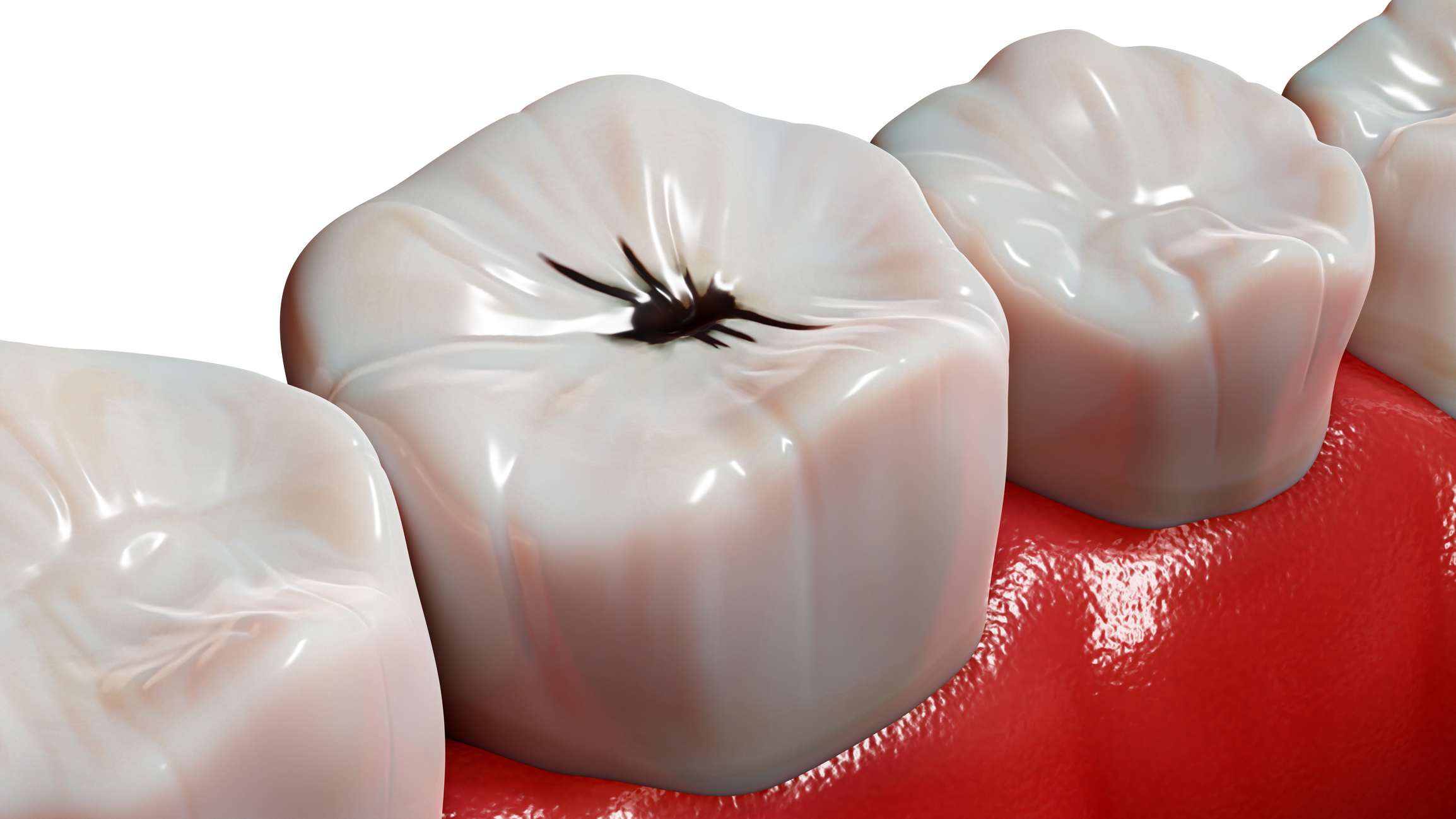
Tooth decay develops when plaque and bacteria build up on the teeth and begin breaking down the enamel. Over time, acids produced by bacteria can weaken the tooth surface and create cavities. Several factors may increase the risk of tooth decay, including:
- Poor oral hygiene habits
- Frequent sugary or acidic foods and drinks
- Dry mouth
- Skipping regular dental cleanings
- Smoking or tobacco use
- Cracked or damaged teeth
While cavities are common, early treatment can often stop the decay before it becomes more serious.
Tooth Sensitivity May Be an Early Warning Sign
One of the earliest tooth decay symptoms many people notice is tooth sensitivity. If you suddenly feel discomfort when eating hot, cold, sweet, or acidic foods, it may indicate that enamel is beginning to wear down.
Sensitivity can happen when decay exposes the inner layers of the tooth, making the nerves more vulnerable to temperature changes. Some patients experience only mild discomfort at first, while others notice sharp or lingering pain.
Although tooth sensitivity does not always mean you have a cavity, it’s important not to ignore it. A dental exam can help determine whether decay, worn enamel, or another issue is causing the discomfort.
Teeth Discoloration Could Signal Decay
Teeth discoloration is another common sign that something may be affecting the health of your teeth. While surface stains from coffee, tea, or certain foods are common, darker spots or patches on a tooth may indicate early decay. Tooth decay can appear as:
- White chalky spots
- Brown areas on the enamel
- Dark spots or visible holes
- Yellowing caused by enamel erosion
As decay progresses, the discoloration often becomes more noticeable. Catching these changes early may help prevent the need for larger restorations later on. At Signature Smiles Dentistry, we take time to carefully evaluate changes in tooth color and explain treatment options clearly, so patients feel informed and comfortable throughout the process.
Persistent Tooth Pain Should Never Be Ignored
Not all cavities cause immediate pain, but persistent discomfort is often a sign that decay has reached deeper layers of the tooth. You may notice:
- A constant toothache
- Pain when biting down
- Sharp pain while eating
- Discomfort that comes and goes
As tooth decay worsens, bacteria can eventually reach the inner pulp of the tooth where nerves and blood vessels are located. At that point, the pain may become more severe, and treatment may become more extensive. Seeking care early can often help preserve more of the natural tooth structure.
Teeth Gum Issues Can Sometimes Be Connected to Decay
Many people associate cavities only with teeth, but teeth gum issues may also develop alongside tooth decay. When bacteria and plaque accumulate near the gumline, the gums can become irritated and inflamed. Common gum-related symptoms include:
- Red or swollen gums
- Bleeding while brushing or flossing
- Gum tenderness
- Bad breath
- Gum recession near affected teeth
Gum irritation combined with tooth sensitivity or discoloration may indicate that decay or infection is developing below the surface.
Bad Breath That Doesn’t Go Away
Persistent bad breath can sometimes be linked to untreated tooth decay. Bacteria trapped in cavities or damaged areas of the tooth may produce unpleasant odors that brushing alone cannot eliminate. If bad breath continues even with good oral hygiene, it may be time to schedule a dental evaluation. In many cases, treating the underlying dental issue helps improve breath and overall oral health.
Visible Holes or Damage in the Teeth
As decay progresses, physical changes in the tooth may become easier to see or feel. Some people notice small pits, rough spots, or visible holes in the enamel. You may also experience:
- Food getting trapped in certain areas
- Rough edges on the teeth
- Increased sensitivity in one specific tooth
- Cracks or weakened enamel
Visible damage often means the cavity has progressed beyond the earliest stages and should be treated promptly.
Why Early Dental Care Matters
Early detection plays a major role in preventing more serious dental complications. Small cavities are generally easier and less invasive to treat than advanced decay that affects the inner tooth structure.
Routine dental exams and cleanings allow your dentist to identify problems before they become painful or expensive. Many patients delay care because they feel nervous about dental visits, but creating a calm and comfortable experience is something our team prioritizes every day.
Patients at Signature Smiles Dentistry frequently mention how kind, compassionate, and welcoming our staff is during appointments. We believe dental care should feel supportive and stress-free while helping patients feel confident about their oral health.
Schedule an Appointment at Signature Smiles Dentistry
If you’ve noticed tooth sensitivity, teeth discoloration, persistent bad breath, or teeth gum issues, it may be time to schedule a dental evaluation. Addressing tooth decay symptoms early can help protect your teeth and prevent more extensive treatment later on.
At Signature Smiles Dentistry, our attentive and friendly team is committed to making every patient feel comfortable throughout their visit. Whether you’re experiencing new symptoms or simply due for a routine checkup, we’re here to help you maintain a healthy, confident smile.