
Cosmetic Bonding vs. Veneers: Which Is Right for You?
If you’re considering enhancing your smile, you’ve likely come across the two popular cosmetic dentistry options of cosmetic bonding and veneers. Both treatments can help transform your smile, but they have distinct advantages that depend on your specific needs. At Signature Smiles Dentistry, we understand the importance of making an informed decision. That’s why we’re here to break down the differences between these two cosmetic solutions, so you can choose the one that’s right for you.
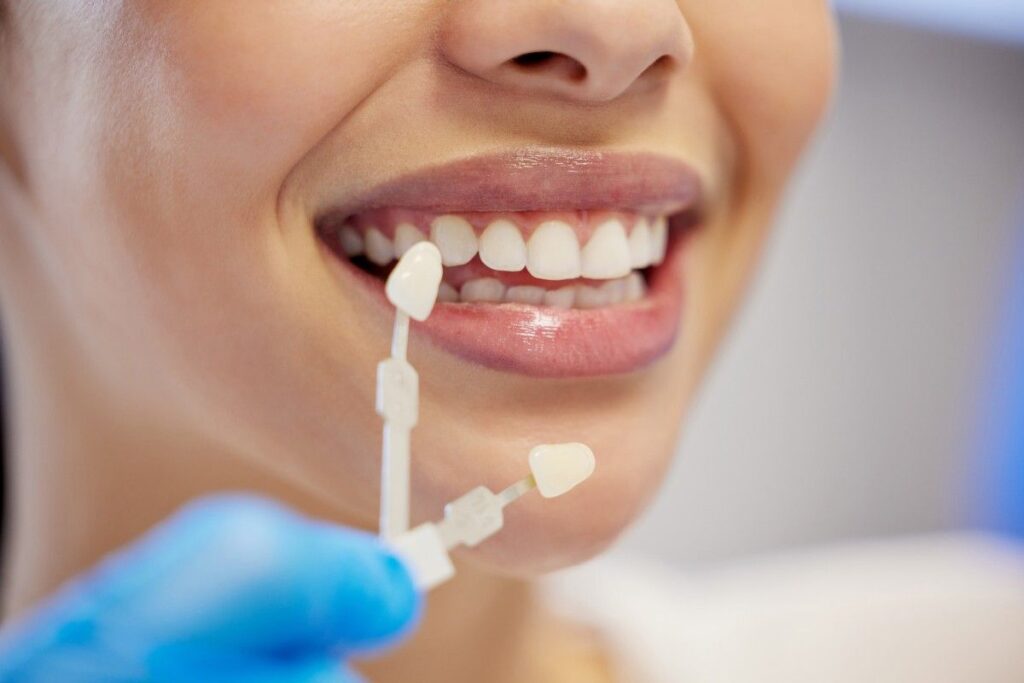
Crafting a Radiant, Natural Smile With Veneers
Veneers are ultra-thin, custom-designed shells made from porcelain or composite resin that fit seamlessly over the front surface of your teeth. These permanent enhancements are ideal for achieving a brighter, more uniform smile. Porcelain veneers are the most popular cosmetic option due to their natural appearance and remarkable durability. They mimic the natural way tooth enamel reflects light and offer excellent stain resistance. Composite veneers, although more cost-effective and quicker to apply, generally do not last as long as porcelain veneers. The most common concerns veneers can address include:
- Severe discoloration that whitening treatments can’t resolve
- Cracked or chipped teeth
- Gapped teeth
- Irregularly shaped or worn-down teeth
- Minor misalignments
A Quick and Effective Smile Solution With Bonding
Dental bonding is another highly effective cosmetic treatment that involves applying a tooth-colored composite resin directly onto your tooth’s surface. The resin is carefully sculpted and hardened using a specialized curing light. Unlike veneers, bonding doesn’t require custom manufacturing in a lab, making it a faster and more cost-effective option, often completed in a single visit. The most common concerns dental bonding can address include:
- Small chips or cracks
- Discolored teeth
- Gaps between teeth
- Minor reshaping of teeth
- Slight lengthening of short teeth
Cosmetic Dental Bonding Preparation
The dental bonding process requires little to no preparation and does not typically involve removing any enamel. Unlike veneers, bonding doesn’t require custom manufacturing in a lab. Many patients love they don’t need to prepare for their fast and easy procedure.
How Long Does the Bonding Take?
Most cosmetic bonding procedures can be completed in just one visit to your dentist. Each tooth typically takes about 30 to 60 minutes, so within a single appointment, you can walk out with a more confident smile. Veneers, on the other hand, often require multiple visits and more time for preparation and placement.
Longevity of Veneers and Dental Bonding
The lifespan of veneers and dental bonding can greatly vary. Porcelain veneers, with proper care, can last anywhere from 10 to 15 years or longer. They are highly durable and resistant to stains but may chip or crack if subjected to excessive force, such as nail-biting or using your teeth to open packages. Composite veneers generally last between 5 and 7 years. While they are more vulnerable to staining and wear, they are still an excellent option for enhancing your smile.
Dental bonding typically has a lifespan of 3 to 7 years, depending on oral habits, dietary choices, and overall maintenance. Bonding is both easier and more affordable to repair than veneers but may require more frequent touch-ups or replacements to maintain its appearance.
Cost Comparison Between Veneers and Dental Bonding
Cost is an important factor for many patients considering cosmetic treatments. Generally, cosmetic bonding is less expensive than veneers. Individual bonding treatments typically range from $200 to $600 per tooth, while veneers can cost between $800 and $2,500 per tooth, depending on the material and complexity of the case. While veneers are a higher initial investment, their durability and aesthetic appeal often justify the cost for patients seeking a long-term solution for their smile.
Reviewing the Application Processes
One of the most significant differences between veneers and dental bonding is the application process. For veneers, expect the following over several weeks:
- Consultation – Evaluate your goals and take X-rays.
- Tooth Preparation – We remove a small amount of enamel to make room for your veneer.
- Impression and Lab Work: – We send a mold of your teeth to the dental lab to create customized veneers.
- Temporary Veneers – We may place temporary veneers to provide a temporary solution.
- Final Placement – We bond veneers to your teeth using light-curing technology and special cement.
The bonding process is performed in under an hour and includes:
- Shade Matching – We’ll select a resin color that matches your natural teeth.
- Tooth Preparation – If necessary, we remove a bit of enamel for tooth preparation.
- Application – We apply the resin and sculpt it to the desired shape.
- Curing – Our team uses a light to harden the resin.
- Polishing – We smooth and polish your tooth for the final shape.
Transform Your Smile With Cosmetic Dentistry
Signature Smiles Dentistry guides you through every step of the way. Whether you choose cosmetic bonding or veneers, either option can help you achieve the smile of your dreams. With cosmetic bonding, you’ll enjoy a quick, cost-effective solution for minor imperfections, while veneers offer a more durable, high-end treatment for a flawless finish. Contact us today to get a cosmetic dentistry consultation.