
An Overview of Five Different Types of Dental Crowns
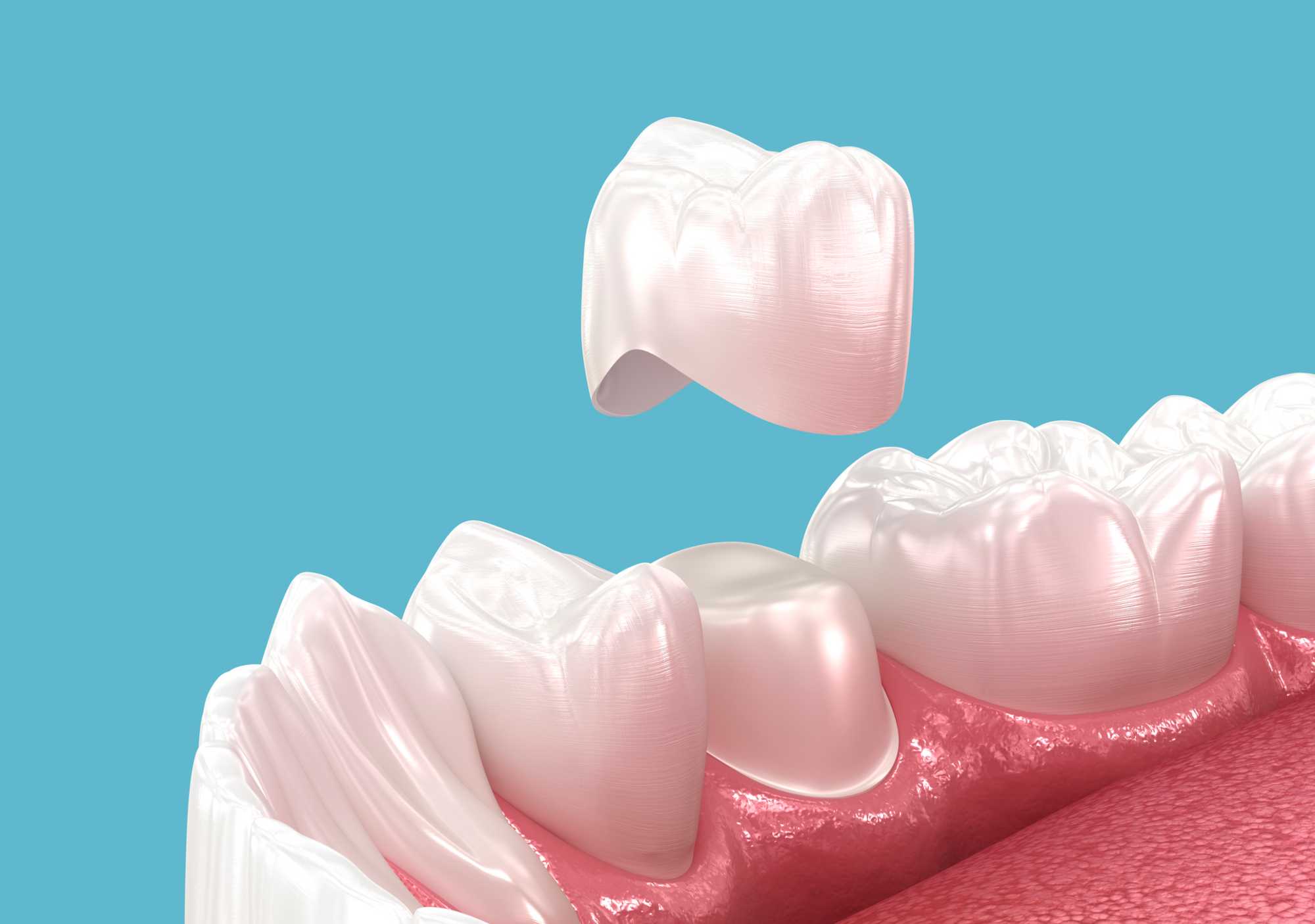
If you’ve recently been told you need a dental crown, you might feel like you’re being knighted except instead of a sword on your shoulder, you’re getting a “cap” on your tooth. While the idea of a dental crown procedure might sound a bit daunting, it is actually one of the most effective dental crown solutions for restoring a damaged tooth to its former glory. Whether you’ve had a root canal or just a particularly enthusiastic run-in with a piece of hard candy, choosing the right style of crowns is essential for both your oral health and your confidence. Signature Smiles Dentistry explains five different types of dental crowns. Learn more.
What Exactly Is a Dental Crown?
Think of a dental crown as a custom-fitted helmet for your tooth. When a tooth is cracked, decayed, or weakened, tooth reshaping is performed to prepare the surface so the crown can sit snugly on top. This protects the underlying structure and prevents further breakage. Before your permanent restoration is ready, you’ll likely wear a temporary crown replacement to keep things functional.
When Do You Need a Dental Crown?
Dental crowns are versatile restorative solutions recommended when a tooth is too damaged to be repaired with a standard filling. You may need a crown for the following:
- Extensive Decay – To protect and support a tooth when a cavity is too large for a traditional composite filling.
- Post-Root Canal Treatment – To reinforce the remaining tooth structure, which often becomes brittle and prone to fracture after the pulp is removed.
- Cracked or Fractured Teeth – To hold the pieces of a damaged tooth together and prevent further breakage or pain.
- Severe Attrition – To restore teeth that have been significantly worn down due to bruxism (teeth grinding) or acid erosion.
- Cosmetic Restoration – To improve the appearance of teeth that are misshapen, severely discolored, or have other aesthetic imperfections.
- Dental Implants and Bridges – To serve as the functional prosthetic tooth atop an implant or to act as an anchor for
1. Gold and Metal Alloys
Gold crowns are the “vintage luxury” of the dental world. These aren’t just for show. Gold and other metal alloys (like palladium or nickel) are incredibly durable and kind to your opposing teeth. They rarely chip or break, making them ideal for those hidden molars that do all the heavy lifting. The only downside is the metallic color might be a bit too bold for your front teeth.
2. All-Porcelain or Ceramic
If you want a crown that blends in like a secret agent, all-porcelain is the way to go. These are highly popular among dental crown types because they can be color-matched to your natural teeth with incredible precision. They are the top choice for front teeth restorations. While they might not be as indestructible as gold, modern high-grade ceramics are surprisingly tough and perfect for patients with metal allergies.
3. Porcelain-Fused-to-Metal (PFM)
PFM crowns are the best of both worlds. They feature a metal substructure for strength and a porcelain exterior for aesthetics. They provide a durable seal and a natural look. However, over time, a thin dark line of metal might become visible at the gumline which is something to consider if you have a high smile line.
4. Zirconia Crowns
Zirconia is the “new kid on the block” that everyone wants to be friends with. Made from zirconium dioxide, these crowns are virtually indestructible and can withstand intense biting forces. They are biocompatible and offer a translucent look that mimics natural tooth enamel. Because they are so strong, they allow for thinner crown walls, meaning less of your natural tooth needs to be removed during the tooth reshaping process.
5. Composite Resin
Composite resin crowns are generally the most budget-friendly dental crown solutions. While they are more prone to wearing down over time compared to porcelain or gold, they are an excellent option for children or as a mid-term solution while you save up for a more permanent material.
Understanding Dental Crown Cost and Maintenance
The price typically varies based on the material chosen and the complexity of the dental crown procedure. While ceramic or gold might have a higher upfront cost, their longevity often makes them the more economical choice in the long run. After your crown is placed, maintenance is simple. Just treat it like a natural tooth with regular brushing, flossing, and professional checkups.
The Dental Crown Procedure: Step-by-Step
The dental crown procedure is straightforward. It includes:
- Initial Evaluation – Your dentist examines the tooth, takes X-rays to check the roots and surrounding bone, and discusses the best material options for your specific needs.
- Tooth Preparation – The tooth is carefully reshaped by removing a small amount of enamel from the top and sides to create room for the crown to sit securely.
- Digital or Physical Impressions – A precise mold of your prepared tooth and the surrounding teeth is taken to ensure your custom crown fits your bite perfectly.
- Temporary Crown Placement – While your permanent restoration is being crafted in a dental lab, a temporary crown is placed to protect the tooth and maintain your smile.
- Final Fitting – Once your custom crown is ready, you return to the office to have it checked for fit and color before it is permanently bonded into place.
Visit Signature Smiles Dentistry
Signature Smiles Dentistry believes choosing the right crown doesn’t have to be a royal pain. Whether you’re looking for the unmatched strength of zirconia or the natural beauty of porcelain, our team is here to help you find the perfect fit for your smile and your budget. Don’t let a damaged tooth hold you back from enjoying your favorite foods or smiling for the camera. Contact our office today to schedule your consultation.